Capsicum & green tea for metabolism: how they work, in the Hidragenix guide

Updated September 2026 · reviewed by the Hidragenix Research Team. We are an independent information resource, not a medical provider, and this article is educational rather than medical advice.
Capsicum and green tea are two of the most familiar names in metabolism-focused formulas — and two of the most misunderstood. Neither is a magic switch. Both are food-derived botanicals with well-known compounds, traditionally associated with everyday metabolic support when used consistently alongside a balanced diet and activity. Here is what each one is, how it is thought to work, and what to look for on a label.
Two botanicals, two different routes to everyday metabolic support.
- Capsicum
- The pepper behind cayenne; its compound capsaicin is linked to a mild, temporary thermogenic effect and a comfortable appetite.
- Green tea
- Rich in polyphenol catechins (especially EGCG) plus caffeine, widely studied for general metabolic wellness and energy.
- Why pair them
- They act through different, complementary routes, which is why formulas often combine them.
- The honest caveat
- They support a routine; they are not a treatment for any condition, and results vary.
- In Hidragenix
- Both appear alongside gymnema, coleus forskohlii and grape seed in a once-daily dropper.
If you have scanned the label of almost any metabolism supplement, you have seen these two names. This guide gives them a fair, plain-language treatment — and links each claim to an independent reference so you can read further. For the bigger picture, pair it with our guide to supporting a healthy metabolism naturally.

Capsicum: the pepper behind the warmth
Capsicum annuum is the botanical name for the pepper family that gives us cayenne and chilli. The compound that matters most is capsaicin — the same molecule responsible for the heat you feel when you eat something spicy. That sensation is a clue to its traditional role: capsaicin is associated with thermogenesis, the body’s production of heat, which uses a small amount of energy.
How capsaicin is thought to work
Capsaicin interacts with heat-sensing receptors in the body, producing the familiar warmth and a mild, temporary rise in energy expenditure — a systematic review and meta-analysis of human trials found capsaicinoids and capsinoids raised thermogenesis in healthy adults, with wide variation between studies (Irandoost et al., “The effect of Capsaicinoids or Capsinoids in red pepper on thermogenesis in healthy adults,” Phytotherapy Research, 2021). It is also traditionally linked to a comfortable, satisfied appetite. The key words are mild and temporary: capsicum is a gentle, food-relevant support, not a dramatic intervention, and it works best as one small part of a broader routine.
Green tea: polyphenols and a little caffeine
Green tea (Camellia sinensis) is among the most consumed and most studied beverages on earth. Its metabolic reputation rests on two things working together: catechins, a family of polyphenol antioxidants — the most discussed being EGCG — and a modest amount of naturally occurring caffeine.
How green tea is thought to work
The catechins in green tea are antioxidants, and together with its caffeine they are widely studied for general metabolic wellness and everyday energy; a systematic review and meta-analysis of human studies concluded that EGCG can raise energy expenditure and fat oxidation, but that the effect is small and depends on dose and habitual caffeine intake (Kapoor et al., “Physiological effects of epigallocatechin-3-gallate (EGCG) on energy expenditure for prospective fat oxidation in humans,” Journal of Nutritional Biochemistry, 2017). As with capsicum, the effect is best understood as gentle, cumulative support rather than a single dramatic result — which is exactly why consistency matters more than any single serving.

Why capsicum and green tea are paired
Formulators often put these two together because they act through different, complementary routes: one linked to thermogenesis, the other to polyphenol antioxidants and caffeine. Pairing complementary ingredients is a common approach to building a blend that supports the routine from more than one angle. This table lays the two side by side.
| Botanical | Key compound | Traditionally associated with |
|---|---|---|
| Capsicum (cayenne) | Capsaicin | Mild thermogenesis; a comfortable, satisfied appetite. |
| Green tea | Catechins (EGCG) & caffeine | General metabolic wellness; antioxidant support; everyday energy. |
| Together | Different routes | Complementary, gentle support as part of a routine. |
See the full Hidragenix formula →
What to look for on a label
Not all formulas are equal. When you compare products, a few honest signals separate a thoughtful blend from a hype-driven one:
- Named, recognisable botanicals — capsicum, green tea, gymnema and so on, rather than vague “proprietary” buzzwords with no plant names at all.
- A clear suggested-use — how much, how often, and how to take it.
- Quality signals — made in a GMP-compliant facility, non-GMO, and finished under real quality control.
- Honest language — descriptions of traditional or general use, not promises to treat, cure or prevent disease.
- A guarantee — a genuine money-back window so you can try it with less risk.
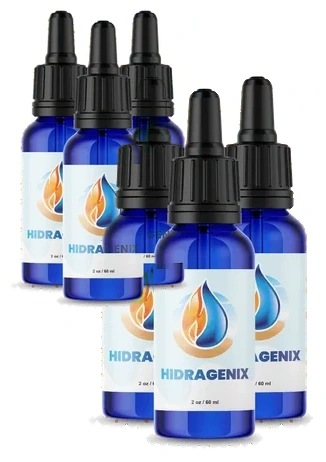
Both botanicals, one daily dropper
Hidragenix combines capsicum and green tea with gymnema, coleus forskohlii and grape seed. The six-bottle bundle is the best value at $49 per bottle, with free U.S. shipping and a 60-day guarantee.
Order Hidragenix — from $49/bottleSensible expectations
It is worth repeating, because the category is full of exaggeration: capsicum and green tea are gentle, food-derived supports, not treatments. A systematic review and meta-analysis of randomized trials of herbal medicines for weight loss concluded that the average effect across the whole category is small and the underlying evidence is generally of low quality (Maunder et al., “Effectiveness of herbal medicines for weight loss,” Diabetes, Obesity and Metabolism, 2020). They work best used consistently, in sensible amounts, alongside the habits that actually move the needle — protein-rich whole foods, daily movement, strength training and good sleep. A supplement is the small habit you stack on top of those, not a replacement for them.
How Hidragenix uses them
In Hidragenix, capsicum and green tea are two of five headline botanicals, joined by gymnema sylvestre, coleus forskohlii and grape seed, plus supporting botanicals and amino compounds — all delivered as a once-daily liquid dropper rather than a pill. You can see the full list, each linked to an independent reference, in the ingredients section, or read about the everyday habits that make the biggest difference in our best-foods guide.
Frequently asked questions
How does capsicum affect metabolism?
Capsicum contains capsaicin, the compound behind cayenne’s warmth. It is traditionally associated with a mild thermogenic effect — a small, temporary rise in the energy the body uses to produce heat — and with supporting a comfortable appetite. It is a complement to diet and activity, not a treatment.
How does green tea support metabolism?
Green tea is rich in polyphenol antioxidants called catechins, especially EGCG, and it also contains caffeine. Together these are widely studied for general metabolic wellness and everyday energy. Green tea is a food-derived support, not a medicine.
Are capsicum and green tea better together?
They are often paired in metabolism-focused formulas because they act through different, complementary routes — one linked to thermogenesis, the other to polyphenol antioxidants and caffeine. Formulas like Hidragenix combine them with other botanicals in a single daily dropper.
Do I need a lot of these ingredients to benefit?
More is not better with botanicals. Sensible, food-relevant amounts used consistently are the point, alongside a balanced diet and regular activity. Always follow the label and speak with a doctor if you take medication.
What should I look for on a label?
Look for named, recognisable botanicals, a clear suggested-use, third-party quality signals such as GMP manufacturing, and honest language that describes traditional or general use rather than promising to treat a disease.
Is Hidragenix just capsicum and green tea?
No. Capsicum and green tea are two of the headline actives, alongside gymnema, coleus forskohlii and grape seed, with supporting botanicals and amino compounds — all delivered as a once-daily liquid dropper.
Try Hidragenix risk-free for 60 days →
Hidragenix is a dietary supplement, not a treatment for any medical condition. These statements have not been evaluated by the Food and Drug Administration. This product is not intended to diagnose, treat, cure or prevent any disease. Always consult a qualified healthcare professional about your individual needs.
References & further reading
- Examine.com. Capsaicin — evidence-based summary. examine.com/supplements/capsaicin
- National Center for Complementary and Integrative Health (NCCIH). Green Tea. nccih.nih.gov/health/green-tea
- Examine.com. Green Tea Catechins & EGCG. examine.com/supplements/green-tea-catechins
- National Institutes of Health, Office of Dietary Supplements. Dietary Supplements for Weight Loss. ods.od.nih.gov/factsheets/WeightLoss-HealthProfessional
- Irandoost P, et al. The effect of Capsaicinoids or Capsinoids in red pepper on thermogenesis in healthy adults: A systematic review and meta-analysis. Phytotherapy Research. 2021. PubMed 33063385
- Kapoor MP, et al. Physiological effects of epigallocatechin-3-gallate (EGCG) on energy expenditure for prospective fat oxidation in humans: A systematic review and meta-analysis. Journal of Nutritional Biochemistry. 2017. PubMed 27883924
- Maunder A, et al. Effectiveness of herbal medicines for weight loss: A systematic review and meta-analysis of randomized controlled trials. Diabetes, Obesity and Metabolism. 2020. PubMed 31984610
These references describe the ingredients in general terms and do not constitute evidence that any product treats, cures or prevents any condition.
Keep reading: how to support a healthy metabolism naturally · the best foods for healthy weight management · back to the Hidragenix blog · homepage.