Best foods for healthy weight management: the Hidragenix list

Updated September 2026 · reviewed by the Hidragenix Research Team. We are an independent information resource, not a medical provider, and this article is educational rather than medical advice.
The best foods for healthy weight management are the whole, filling ones: high in protein and fibre, rich in water and nutrients, and low in refined sugar. They keep you satisfied on fewer calories, steady your energy, and make good habits feel easy rather than punishing. This guide sorts them group by group and shows where a botanical formula like Hidragenix fits in.
The foods that do the heavy lifting for a healthy weight.
- The principle
- Choose foods that fill you up per calorie — high in protein, fibre and water, low in refined sugar and refined fat.
- Every meal
- Half the plate non-starchy vegetables, a quarter lean protein, a quarter whole intact carbohydrates.
- Best snacks
- Whole fruit, plain yoghurt, nuts, or vegetables with hummus — protein or fibre, not refined sugar.
- Limit
- Sugary drinks, ultra-processed snacks and refined baked goods, which are easy to overeat.
- Where supplements fit
- Food first; botanicals such as those in Hidragenix support the routine but are not a treatment.
Managing your weight is less about any single “superfood” and more about the overall pattern on your plate. The foods below share a theme — they deliver a lot of fullness and nutrition for the calories they carry — which is exactly what makes a healthy weight easier to reach and hold. Pair them with the habits in our guide to supporting a healthy metabolism naturally.

1. Non-starchy vegetables
If one group deserves the biggest share of your plate, it is this one. Leafy greens, broccoli, peppers, courgette, cauliflower, tomatoes and mushrooms are almost all water and fibre, which means they fill you up for very few calories. They also carry the vitamins, minerals and plant compounds that a healthy body runs on. Aim to make vegetables half of your two largest meals — roasted, steamed, stir-fried or raw.
2. Lean protein at every meal
Protein is the anchor of a weight-friendly plate. It is the most filling macronutrient, it has the highest thermic effect — your body burns more energy digesting it — and it protects muscle when you are losing fat, which keeps your metabolism higher — a systematic review and meta-analysis found that higher-protein meals raise diet-induced thermogenesis relative to lower-protein ones (Guarneiri et al., “Effects of Varying Protein Amounts and Types on Diet-Induced Thermogenesis: A Systematic Review and Meta-Analysis,” Advances in Nutrition, 2024), and a separate meta-analysis of intervention trials found higher-protein diets modestly favour body-weight outcomes (Hansen et al., “Are Dietary Proteins the Key to Successful Body Weight Management?” Nutrients, 2021). Good sources include eggs, fish, chicken and turkey, Greek yoghurt, cottage cheese, tofu, tempeh, beans and lentils. A palm-sized portion at each meal is a simple target.
3. Beans, lentils and legumes
Legumes are a two-in-one food: plant protein and soluble fibre in the same package. That combination makes them exceptionally filling and gentle on energy levels, and a meta-analysis of randomized trials of prolonged soluble-fibre supplementation in adults with overweight or obesity reported small but measurable improvements in body weight and waist circumference (Huwiler et al., “Prolonged Isolated Soluble Dietary Fibre Supplementation in Overweight and Obese Patients,” Nutrients, 2022). They are also inexpensive and versatile. Add chickpeas to salads, lentils to soups, or black beans to a grain bowl.

4. Whole, intact grains
The word that matters is intact. Oats, barley, quinoa, brown rice and whole-kernel breads keep their fibre, so they digest slowly and keep you full — unlike refined flour, which is stripped of fibre and easy to overeat. A systematic review of cereal fibres and satiety found that the fullness effect is real but varies widely between fibre types and study designs, which is a good argument for eating a range of whole grains rather than chasing one “best” fibre (Machalias et al., “Cereal Fibers and Satiety: A Systematic Review,” Nutrition Reviews, 2026). Keep grains to about a quarter of the plate and favour the least-processed version you enjoy.
5. Nuts, seeds and healthy fats
Fat is not the enemy of a healthy weight; the right fats, in sensible portions, are deeply satisfying. Almonds, walnuts, chia, flax, olive oil and avocado supply fibre, healthy fats and a feeling of fullness that helps you eat less overall. Because they are calorie-dense, a small handful of nuts or a drizzle of oil is plenty.
6. Whole fruit — yes, really
Whole fruit is fibre-rich, water-rich and naturally sweet, which makes it a far better choice than juice or sweets. Berries, apples, pears, citrus and stone fruit satisfy a sweet craving while the fibre slows sugar release. Choose whole fruit over juice, which delivers the sugar without the fibre.
See how Hidragenix fits your routine →
A satiety-per-calorie snapshot
“Satiety per calorie” is a simple way to think about which foods keep you full without overdoing energy. This table ranks common choices by how filling they tend to be for the calories they carry.
| Food group | Fills you up per calorie | Why |
|---|---|---|
| Non-starchy vegetables | Very high | Mostly water and fibre, very low calorie density. |
| Lean protein | High | Most filling macronutrient; high thermic effect. |
| Beans & lentils | High | Protein plus soluble fibre in one package. |
| Whole intact grains | Medium-high | Fibre slows digestion and steadies energy. |
| Whole fruit | Medium-high | Fibre and water blunt the natural sugar. |
| Refined snacks & sugary drinks | Low | Calorie-dense, fibre-free, easy to overeat. |
What a balanced day can look like
You do not need a rigid meal plan — just a repeatable shape. Here is one simple, whole-food day built from the groups above.
| Meal | Example | Why it works |
|---|---|---|
| Breakfast | Greek yoghurt, berries and a spoon of chia | Protein and fibre start the day steady. |
| Lunch | Big salad with chickpeas, tuna and olive oil | Vegetables lead; protein and healthy fat satisfy. |
| Snack | An apple with a small handful of almonds | Fibre plus fat blunts the afternoon dip. |
| Dinner | Salmon, roasted vegetables and quinoa | Balanced plate: protein, veg and intact grain. |
Stack a simple daily habit
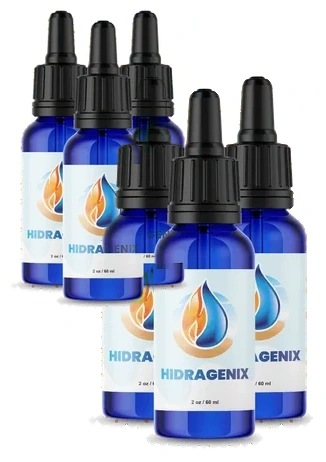
Hidragenix is a once-daily dropper built on capsicum, green tea, gymnema, coleus forskohlii and grape seed. The six-bottle bundle is the best value at $49 per bottle, with free U.S. shipping and a 60-day guarantee.
Order Hidragenix — from $49/bottleWhich foods are worth limiting?
You do not have to ban anything, but a few categories are simply easy to overeat and light on nutrition: sugary drinks, ultra-processed snacks, refined baked goods and fried fast food. The single highest-return swap for most people is trading sugary drinks for water, unsweetened tea or coffee. Keep the rest occasional rather than daily and the pattern takes care of itself.
Where do botanicals fit?
Food comes first, always. Botanical supplements are a complement to a whole-food diet and daily movement, not a replacement, and never a treatment for any condition. Several plants long associated with metabolism — green tea, capsicum, gymnema, coleus forskohlii and grape seed — appear together in Hidragenix, delivered as a once-daily dropper. Learn more about two of them in our guide to capsicum and green tea for metabolism.
Frequently asked questions
What are the best foods for healthy weight management?
Whole, filling foods that are high in protein and fibre and low in refined sugar: non-starchy vegetables, beans and lentils, whole intact grains, lean protein, nuts and seeds, and whole fruit. They keep you full on fewer calories and steady your energy.
Do I have to count calories to manage my weight?
Not necessarily. Many people succeed by focusing on food quality and portion awareness — filling half the plate with vegetables, a quarter with protein and a quarter with whole carbohydrates — which naturally moderates calories without strict tracking.
Which foods should I limit for a healthy weight?
Ultra-processed snacks, sugary drinks, refined baked goods and fried fast food are easy to overeat and light on nutrition. You do not have to ban them, but keeping them occasional rather than daily makes the biggest difference.
Is fruit bad for weight management?
No. Whole fruit is fibre-rich and filling, and it is a far better choice than juice or sweets. The fibre slows sugar release, so an apple or a bowl of berries supports rather than sabotages a healthy weight.
How does protein help with weight?
Protein is the most filling macronutrient, it has the highest thermic effect so you burn more energy digesting it, and it protects muscle during weight loss — which keeps your metabolism higher. Include some at every meal.
Where do supplements like Hidragenix fit in?
Food comes first. Botanical supplements such as Hidragenix are a complement to a whole-food diet and daily activity, not a replacement, and they are not a treatment for any condition. Ask your doctor if you take medication.
Try Hidragenix risk-free for 60 days →
Hidragenix is a dietary supplement, not a treatment for any medical condition. These statements have not been evaluated by the Food and Drug Administration. This product is not intended to diagnose, treat, cure or prevent any disease. Always consult a qualified healthcare professional about your individual needs.
References & further reading
- U.S. Department of Agriculture. MyPlate — What’s on your plate? myplate.gov
- National Institutes of Health, Office of Dietary Supplements. Dietary Supplements for Weight Loss. ods.od.nih.gov/factsheets/WeightLoss-HealthProfessional
- National Center for Complementary and Integrative Health (NCCIH). Green Tea. nccih.nih.gov/health/green-tea
- Machalias A, et al. Cereal Fibers and Satiety: A Systematic Review. Nutrition Reviews. 2026. PubMed 40644449
- Huwiler VV, et al. Prolonged Isolated Soluble Dietary Fibre Supplementation in Overweight and Obese Patients: A Systematic Review with Meta-Analysis of Randomised Controlled Trials. Nutrients. 2022. PubMed 35807808
- Guarneiri LL, et al. Effects of Varying Protein Amounts and Types on Diet-Induced Thermogenesis: A Systematic Review and Meta-Analysis. Advances in Nutrition. 2024. PubMed 39486625
- Hansen TT, et al. Are Dietary Proteins the Key to Successful Body Weight Management? Nutrients. 2021. PubMed 34579069
- Examine.com. Protein intake — evidence-based summary. examine.com — protein intake
These references describe foods and ingredients in general terms and do not constitute evidence that any product treats, cures or prevents any condition.
Keep reading: how to support a healthy metabolism naturally · capsicum and green tea for metabolism · back to the Hidragenix blog · homepage.